

 Facebook
 X
X Threads
THE PROJECT
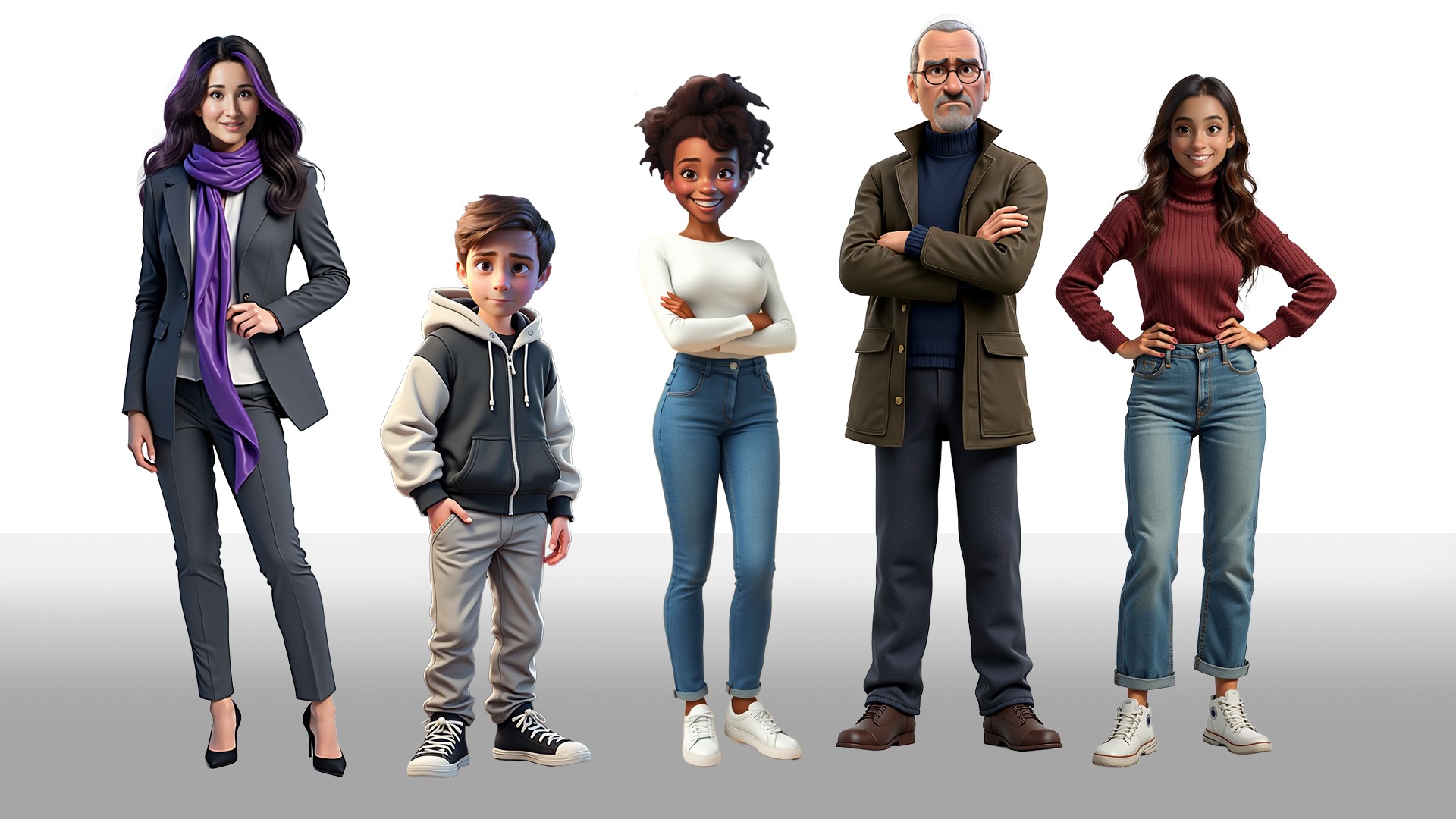
The Amazing Robot Lab is an interactive, tablet-based storybook series from the MIT Media Lab. It teaches robotics and AI to children in grades 1 to 3. The learning science is MIT’s, a children’s author wrote the story, and the games run inside the books. Across the books, a robot named DoodleBot tries to join Camp Creative by proving it can use AI to be creative. MIT brought in KAIA to design and illustrate the series, book by book.
THE CHALLENGE
The curriculum follows a dialogical pedagogy, where children learn by talking with the characters. We had to teach the robotics and AI correctly, at MIT’s standard, to children only beginning to read. The series also had to work for the student, the teacher running it in class, and the administrators and funders who pay for it.
THE SOLUTION
MIT had the research, the author, and a team building the platform. KAIA tied it together and gave the series one consistent, finished look.
We storyboarded each book the way we storyboard a shoot, planning the sets, the scenes, and the shots in advance so the series holds together from one book to the next.
We developed the characters from MIT’s concepts, building how they move and the expressions they use scene to scene.
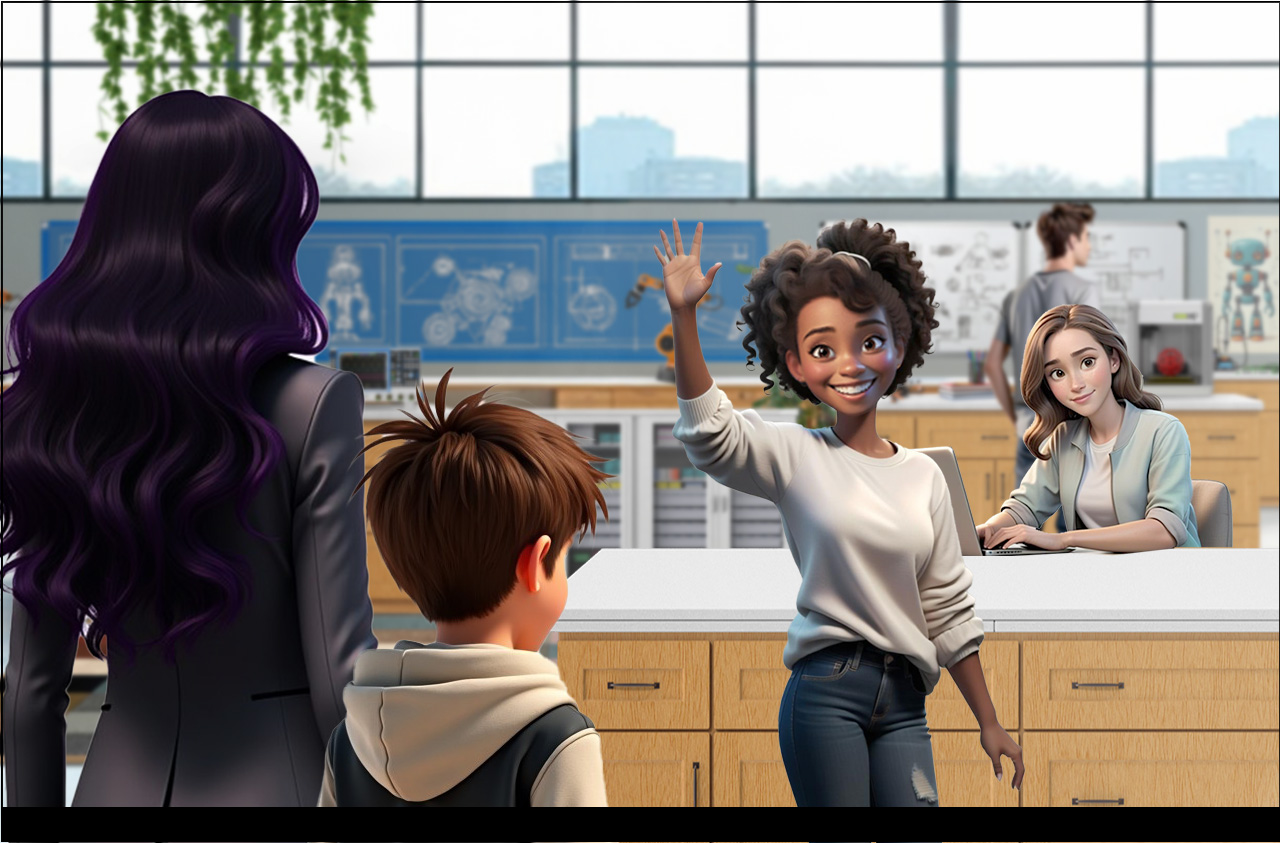
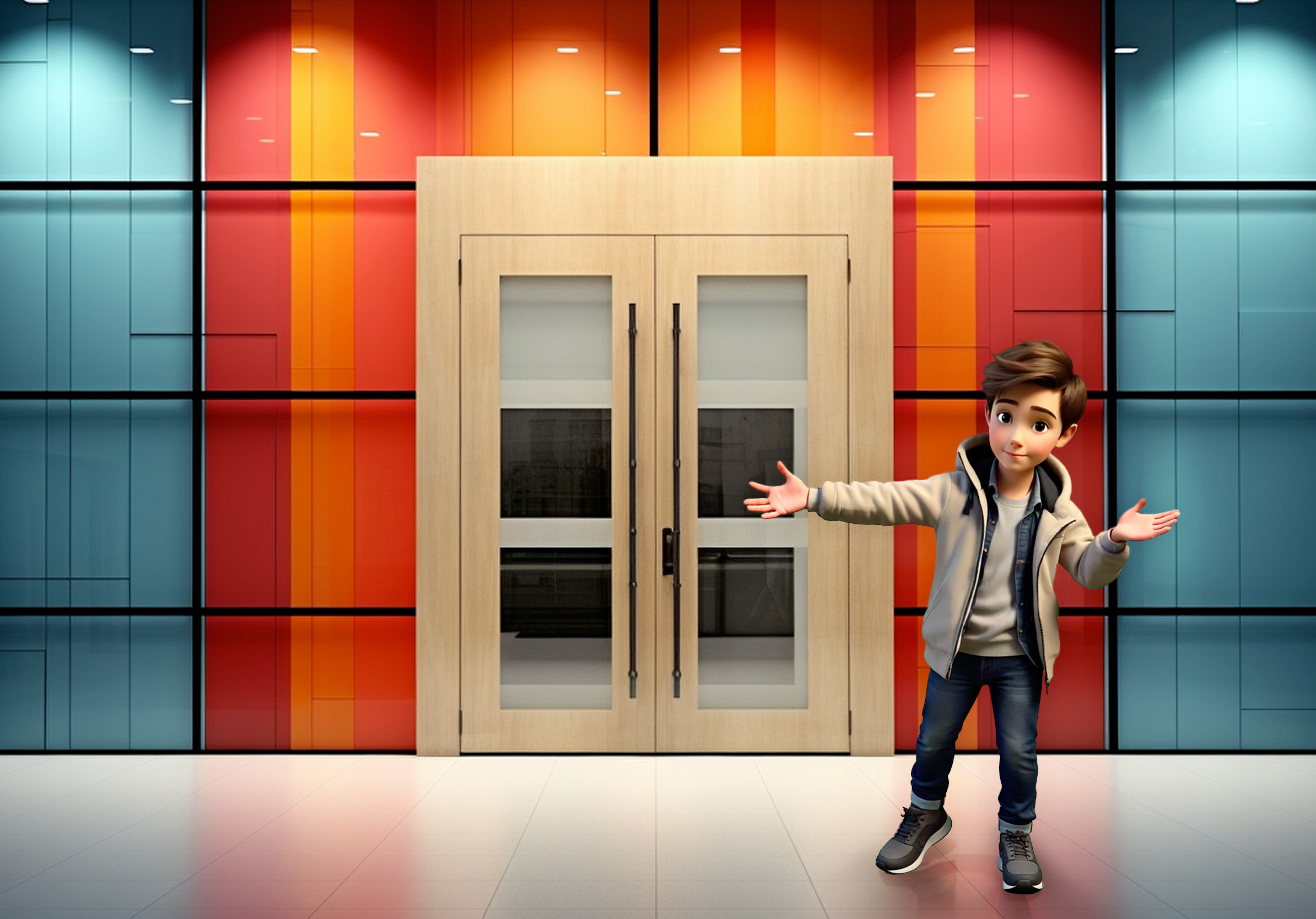
We also handled the AI. MIT rendered its characters with generative tools, which make attractive images but drift off-model from scene to scene. We built the inputs (a T-pose and defined expression sets) that kept the characters consistent across the series.
We built the games, too. MIT wanted a game where a child assembles a robot from parts and gives it a task. We designed both games, made every piece, and worked out the scaling and interface problems along the way.
THIS PROJECT INCLUDED
- Scene Storyboarding
- Character Design and Animation
- Illustration
- Game Design
- AI Art Direction
THE OUTCOME
In classroom pilots with 50 students in grades 1 to 3, the books held the attention of the age group we built them for, and reached children who would not otherwise have had this kind of AI learning. MIT published a home-deployment study of the series at the 2026 ACM CHI Conference. It found that children learned more and remembered more when the concepts arrived inside the story than when the same games ran without it. MIT has moved on to the next books in the ten-book series.
KAIA CAN HELP YOU
KAIA builds the illustration, characters, and interaction that carry a curriculum into the classroom.
If you have complex material to put in front of students, let’s talk.