

 Facebook
 X
 Threads

THE PROJECT
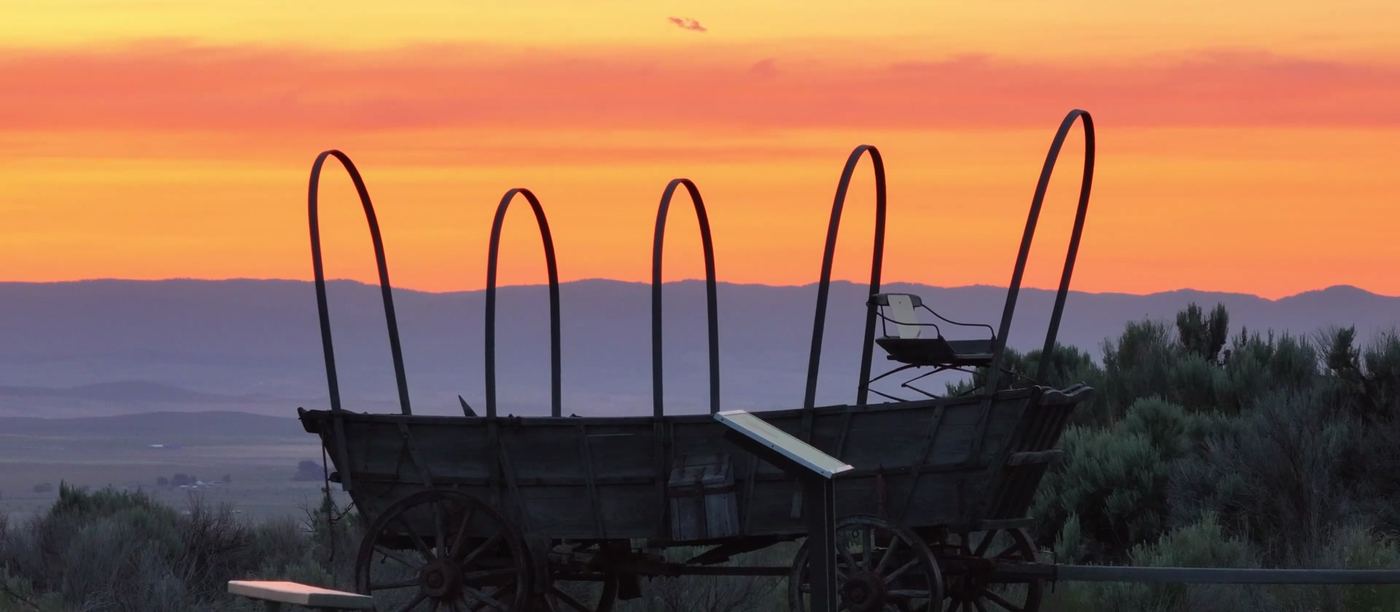
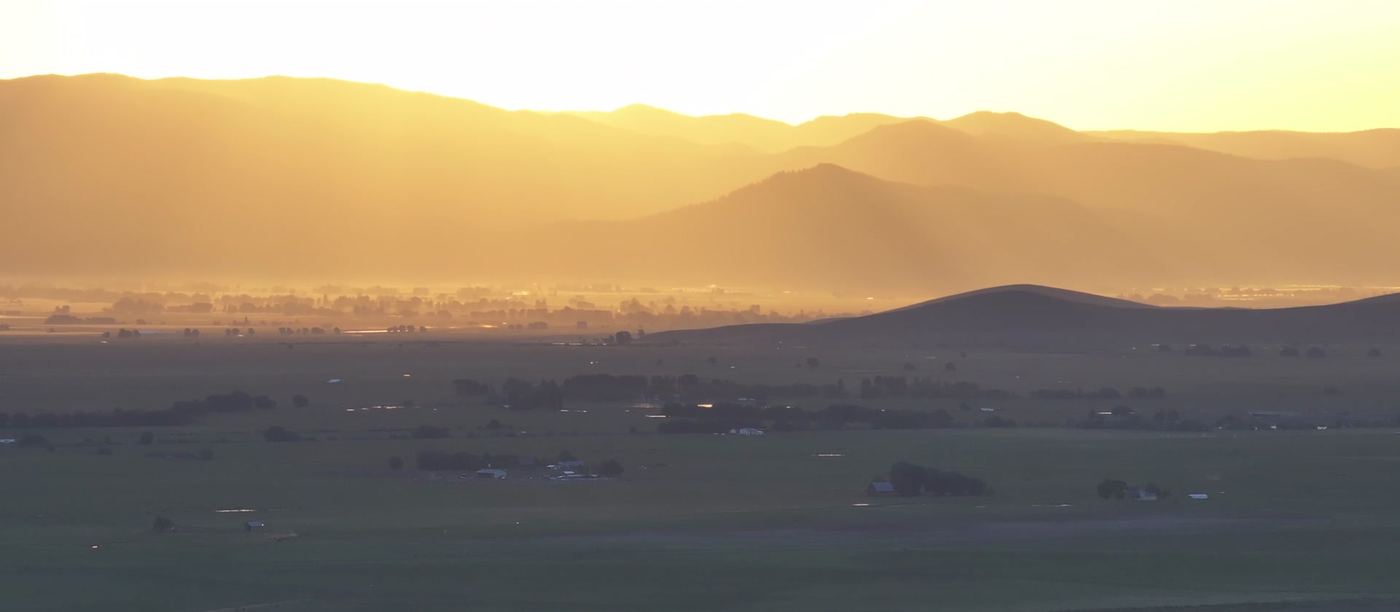
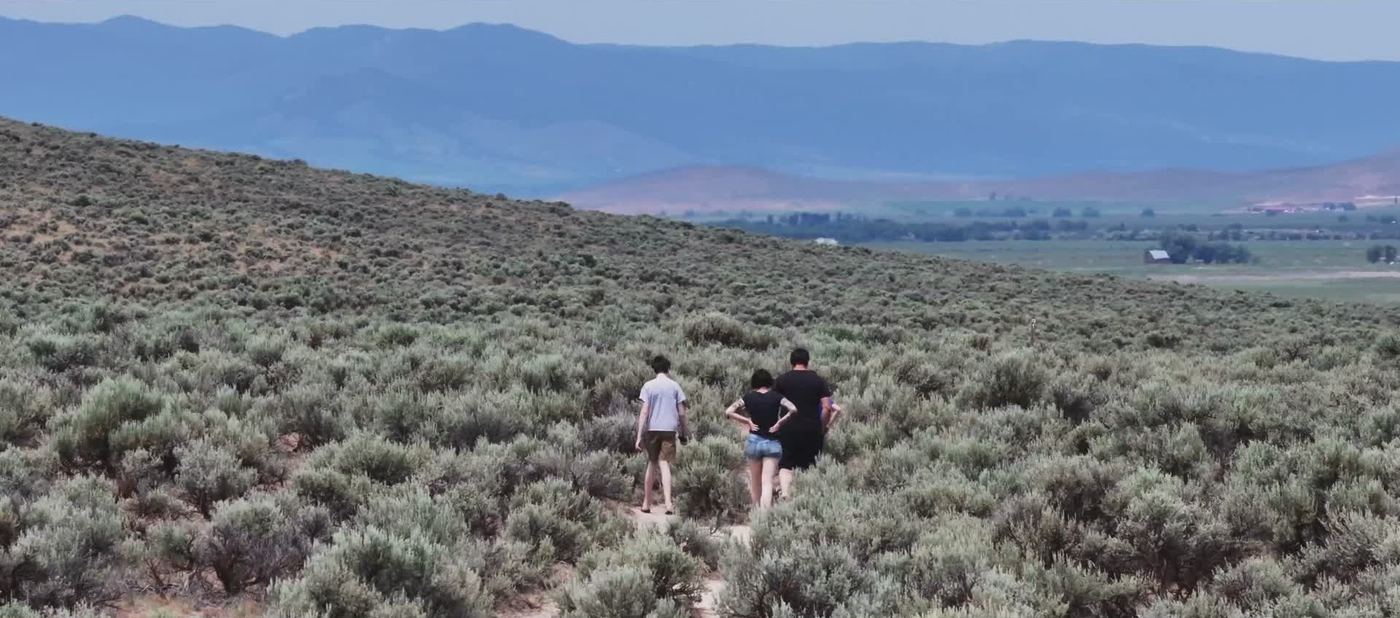
Flagstaff Hill, outside Baker City, Oregon, is where emigrants got their first view of the Powder River Valley. Wagon ruts still cut through the sagebrush below the hilltop, where the Bureau of Land Management runs the National Historic Oregon Trail Interpretive Center. When the center reopened in 2024 after a renovation, BLM wanted a new orientation film for its theater and new films for the open galleries, so every visitor could feel the history before exploring the exhibits.
THE CHALLENGE
Tell the story of the trail, and of this hill, in films sized for a working museum. BLM’s goals were to convey the historical importance of the Oregon Trail, illustrate the natural beauty and significance of the Flagstaff Hill site, elevate the presentations throughout the center, and streamline visitor flow through better durations. Every script had to clear BLM’s public affairs review, on a small purchase order with no budget for a costumed cast.
THE SOLUTION
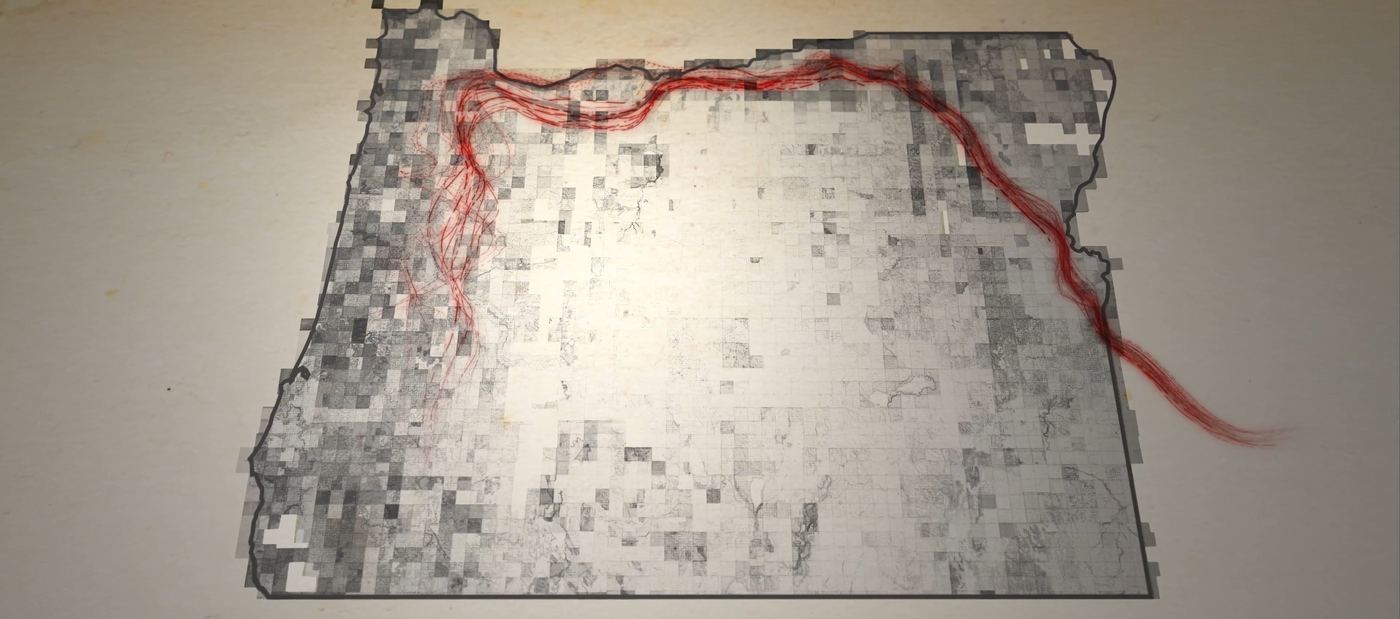
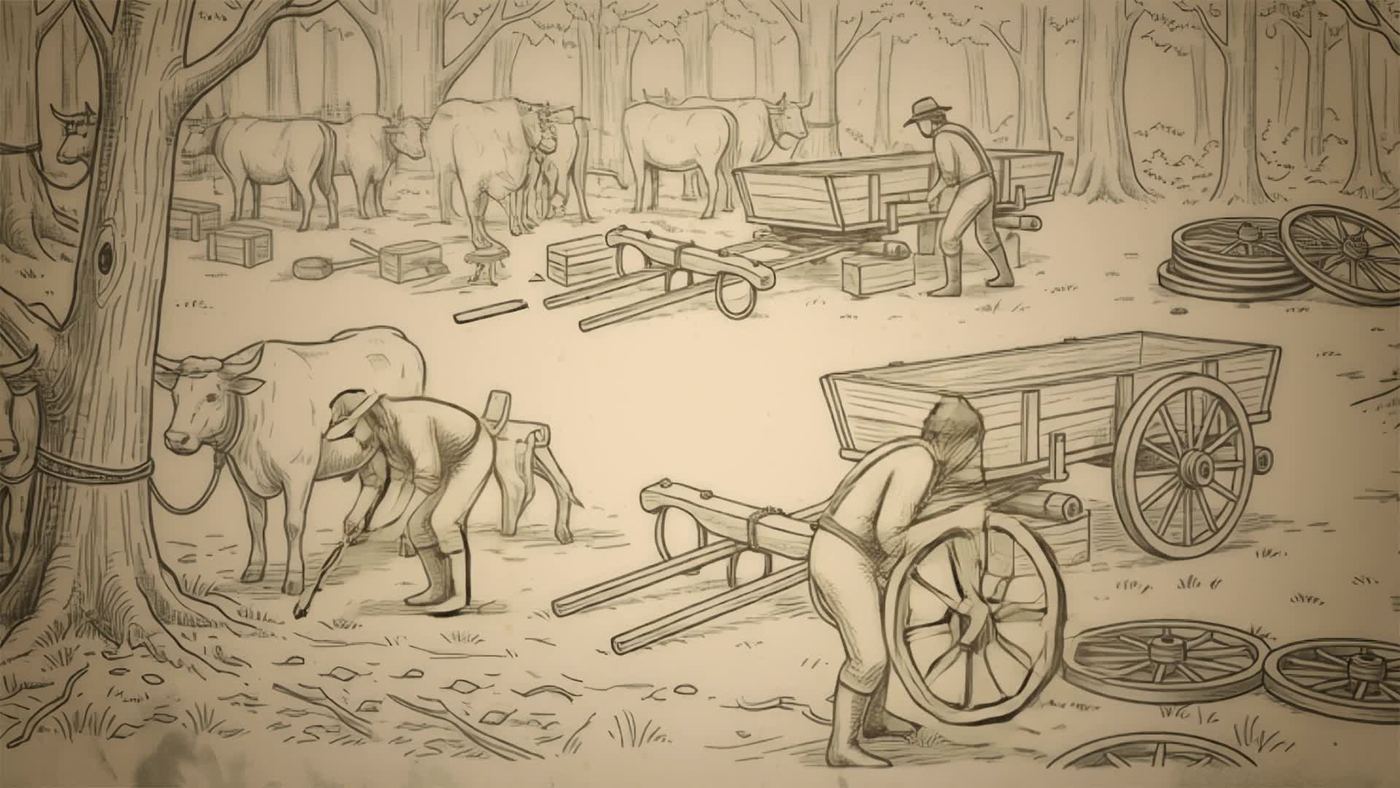
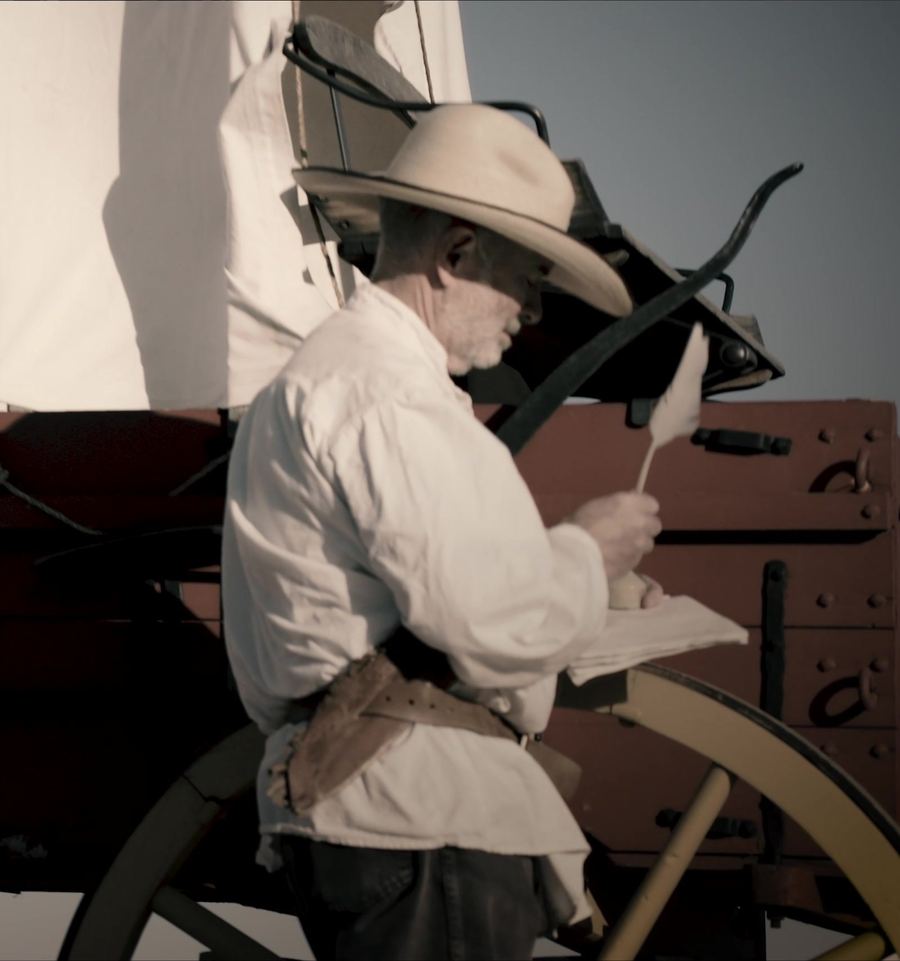
KAIA researched, scripted, filmed and finished a 17-minute orientation film and three gallery films, all in 4K. The orientation film opens on the hill itself, filmed from the ground and the air, then traces the route from Missouri to Oregon on GIS (geographic information system) relief maps and returns to Flagstaff Hill. A narrator and the emigrants’ own journals and letters carry the story, with every first-person account traced to its source. The film starts with the Native peoples who wore these paths long before the wagons. Where no photograph exists, the newest AI tools brought archival photographs, paintings and engravings to motion, and a senior creative director guided and reviewed every shot. The three gallery films are pages from a wagon master’s journal, each under two and a half minutes.
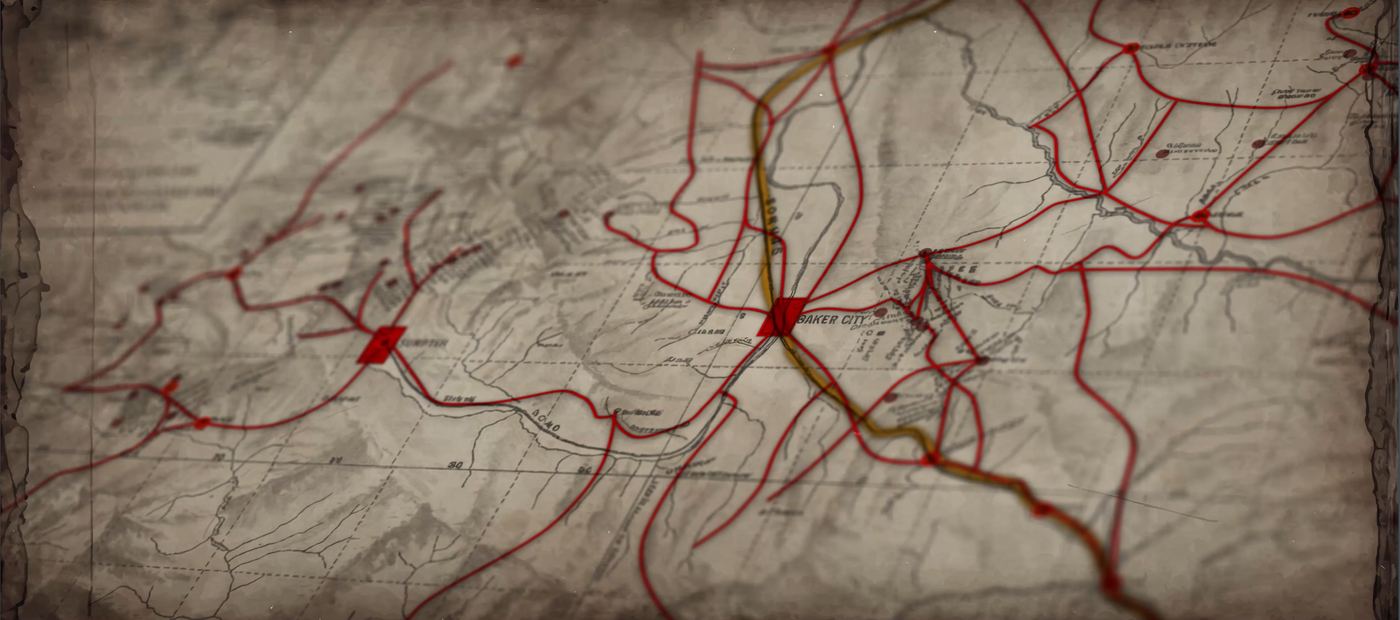
GIS relief map of the trail routes around Baker City, from the orientation film.
KEY TAKEAWAYS
PUT THE VISITOR IN THE STORY
People give their attention to a story that includes them. Starting on the ground where the visitor stands, and returning to it, makes the ruts outside part of their own history.
WRITE IT TO BE REVIEWED
Logging the source behind every claim as the scripts are written makes review a quick check. When public affairs asked whether the first-person dialogue came from historic documents, the answer was already on file.
LET ATTENTION SET THE LENGTH
The orientation film runs longer than first requested because the story holds visitors. The gallery films stay short enough to watch standing.
TAKE THE RISK OUT OF A PUBLIC FILM
KAIA works through the political, operational, economic and technical pressures on a federal film with the POET method, from mapping the review chain at kickoff to an FAA authorization for the aerial filming.
THIS PROJECT INCLUDED
- Research and scriptwriting
- GIS relief maps
- Location and aerial filming
- Archival restoration to 4K
- AI animation, guided and reviewed by a senior creative director
- Support through BLM public affairs review
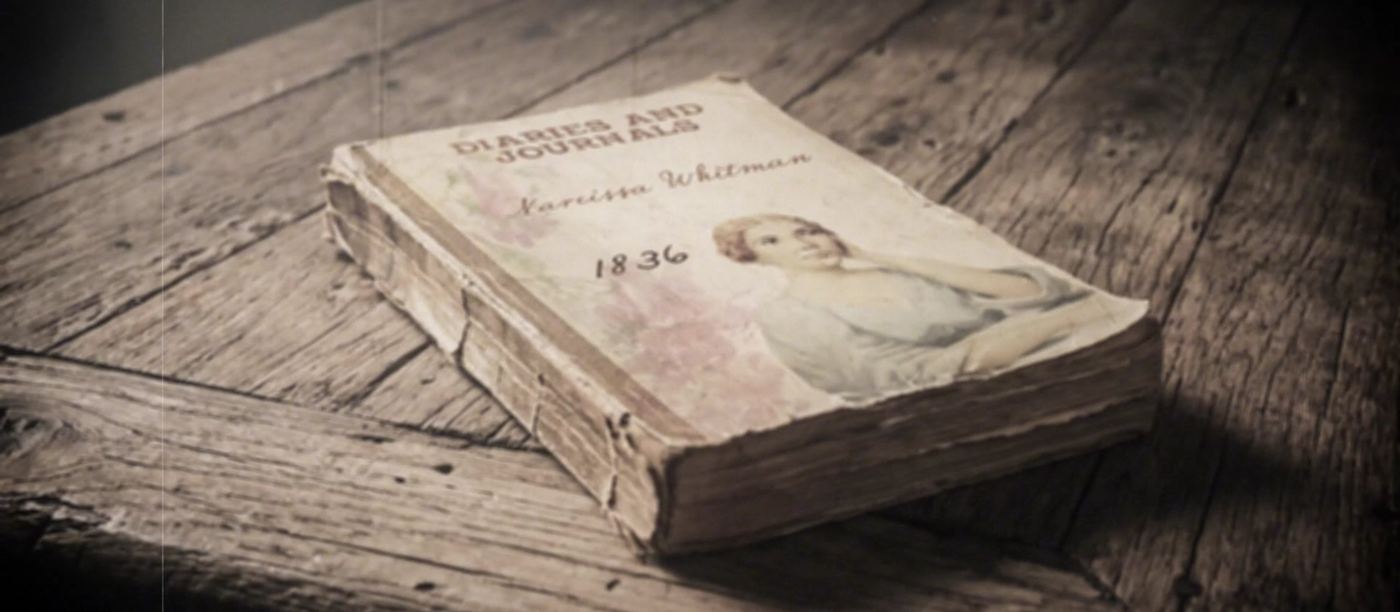
A pioneer journal from 1836, from the orientation film.
THE OUTCOME
BLM reopened the center with new films about its own ground.
A FILM THAT HOLDS ATTENTION
Reviewing the orientation film, the curator said he lost track of its length because it held his attention. (BLM does not endorse KAIA.)
APPROVED WITHOUT CHANGES
Every script passed center staff, a site historian and BLM public affairs, and BLM leadership approved the films. The curator’s team returned the final cut with no edit recommendations.
READY FOR THE NEXT EXHIBIT
BLM received 4K masters in place of laserdisc-era transfers, plus the full project files and raw footage, so future exhibits can draw on the same research.
Planning new media for a public place?
Set a 45-minute call about what your place holds and what your visitors see now.